

Welcome back to Timepiece Digest,
This week, we’re dissecting the bold pricing strategy from the crown and its sibling that has the industry talking. Then, we travel back to 1926 to revisit the moment a simple wristwatch became a legend in the English Channel. Finally, we look at why the secondary market is currently the “smart money” play for one of horology’s most elegant designs.
Let’s dive in.
1. THE NEWS
The 8.7% Gamble: Why Rolex and Tudor are Raising Stakes in a Cooling Market
Usually, when the secondary market softens and “hype” prices begin to normalize, luxury brands take a cautious breath. But Rolex and Tudor aren’t most brands. To kick off 2026, the group has implemented a significant price hike—reaching as high as 8.7% in certain regions.
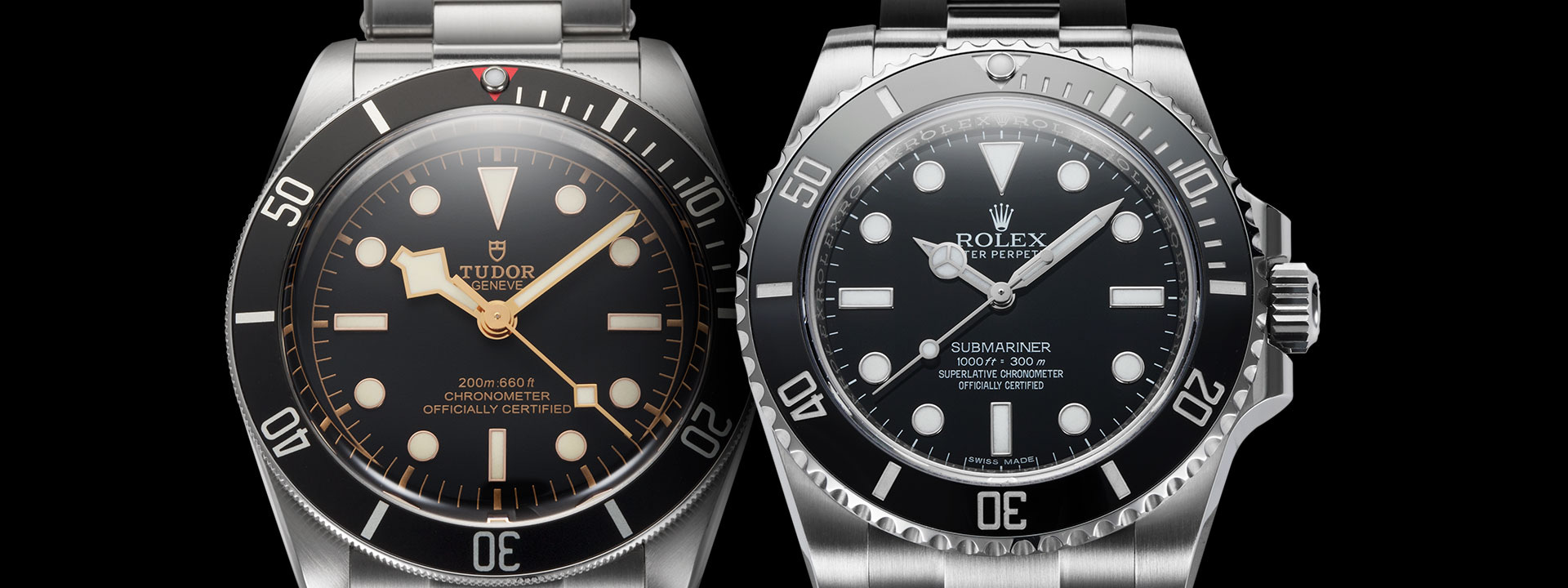
The Context: Brand Preservation vs. Reality In a year where many expected a correction, this move feels like a statement of intent. By raising retail prices while grey market premiums are shrinking, Rolex is effectively narrowing the gap between the boutique and the street. It’s a classic move toward “Veblen good” status—ensuring that the barrier to entry remains high enough to maintain the brand’s aura of untouchable luxury.
The Tudor Impact For Tudor, the stakes are different. Once the “value” alternative, Tudor is now pushing into price brackets that once belonged to Rolex. With the Black Bay and Pelagos lines seeing adjustments, Tudor is signalling that it no longer wants to be judged merely on affordability, but as a top-tier manufacture in its own right.
The Verdict Is it a risky disconnect from the current economy, or a masterclass in brand equity? If history is any indication, the “Waitlist Era” isn’t ending; it’s just getting more expensive.
2. THE HISTORY STORY
100 Years of the Oyster: The Swim That Changed Everything
In 1926, Hans Wilsdorf didn’t just invent a waterproof watch; he invented modern sports marketing. This year marks the centenary of the Rolex Oyster case—the world’s first truly hermetic seal for a wristwatch.
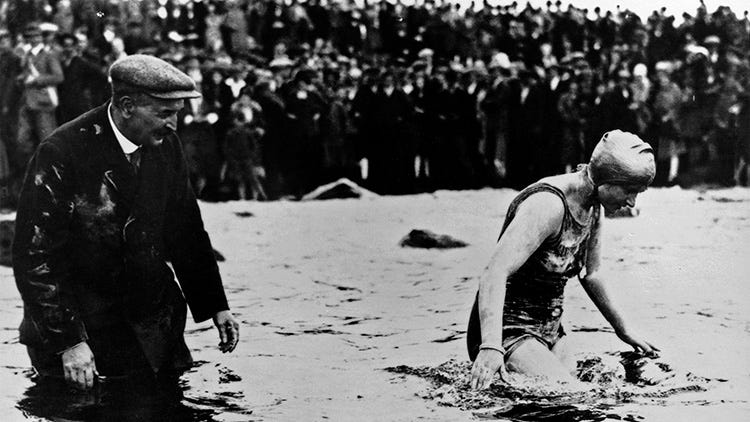
The Ultimate Pressure Test To prove his invention wasn’t just marketing fluff, Wilsdorf turned to Mercedes Gleitze, a young typist from London. In 1927, as she attempted to become the first British woman to swim the English Channel, she wore a Rolex Oyster around her neck. After ten hours in the frigid, salt-heavy water, Gleitze emerged—and the watch was still ticking perfectly.
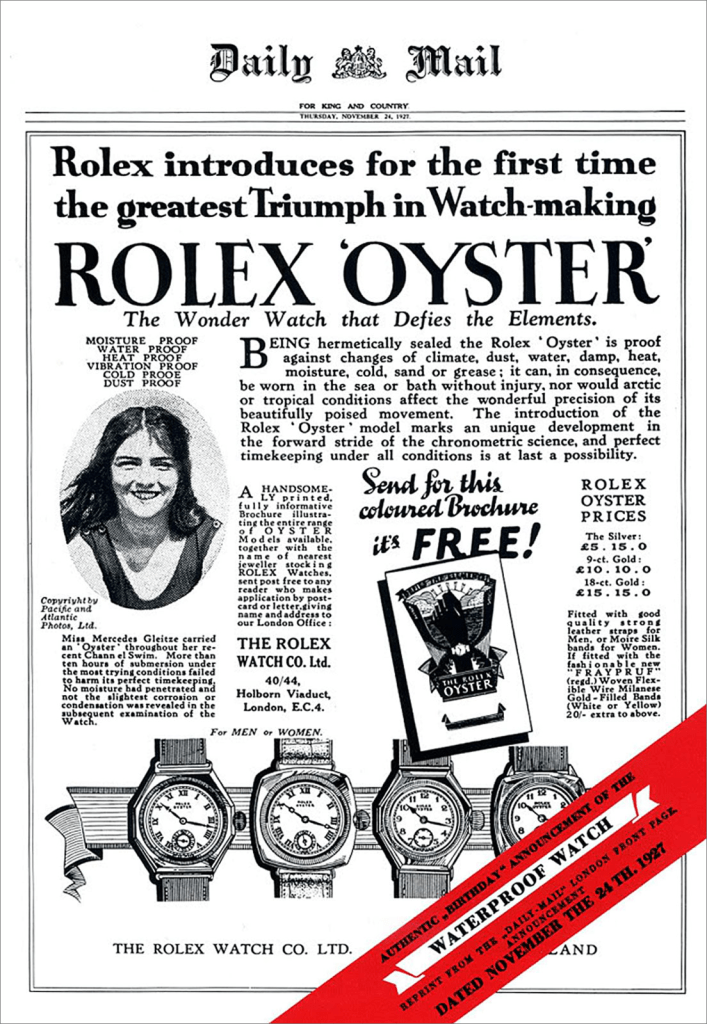
The Birth of the “Testimonee” Wilsdorf didn’t stop at the swim. He took out a full-page front-cover ad in the Daily Mail to proclaim the “Victory of the Rolex Oyster.” It was the birth of the “Testimonee” concept that defines Rolex today. It transformed the wristwatch from a fragile piece of jewelry into a robust tool capable of surviving the world’s harshest environments.
A Century of Influence Every dive watch, every sealed sports watch, and every “tool watch” we obsess over today owes its existence to that 1926 patent. We aren’t just celebrating a case; we’re celebrating the moment the watch moved from the pocket to the heart of the action.
3. WATCH OF THE WEEK
The IWC Portugieser: The Secondary Market’s “Smart Money” Play
If you’re looking for a watch that offers maximum horological “clout” for your dollar in 2026, look no further than the pre-owned IWC Portugieser.
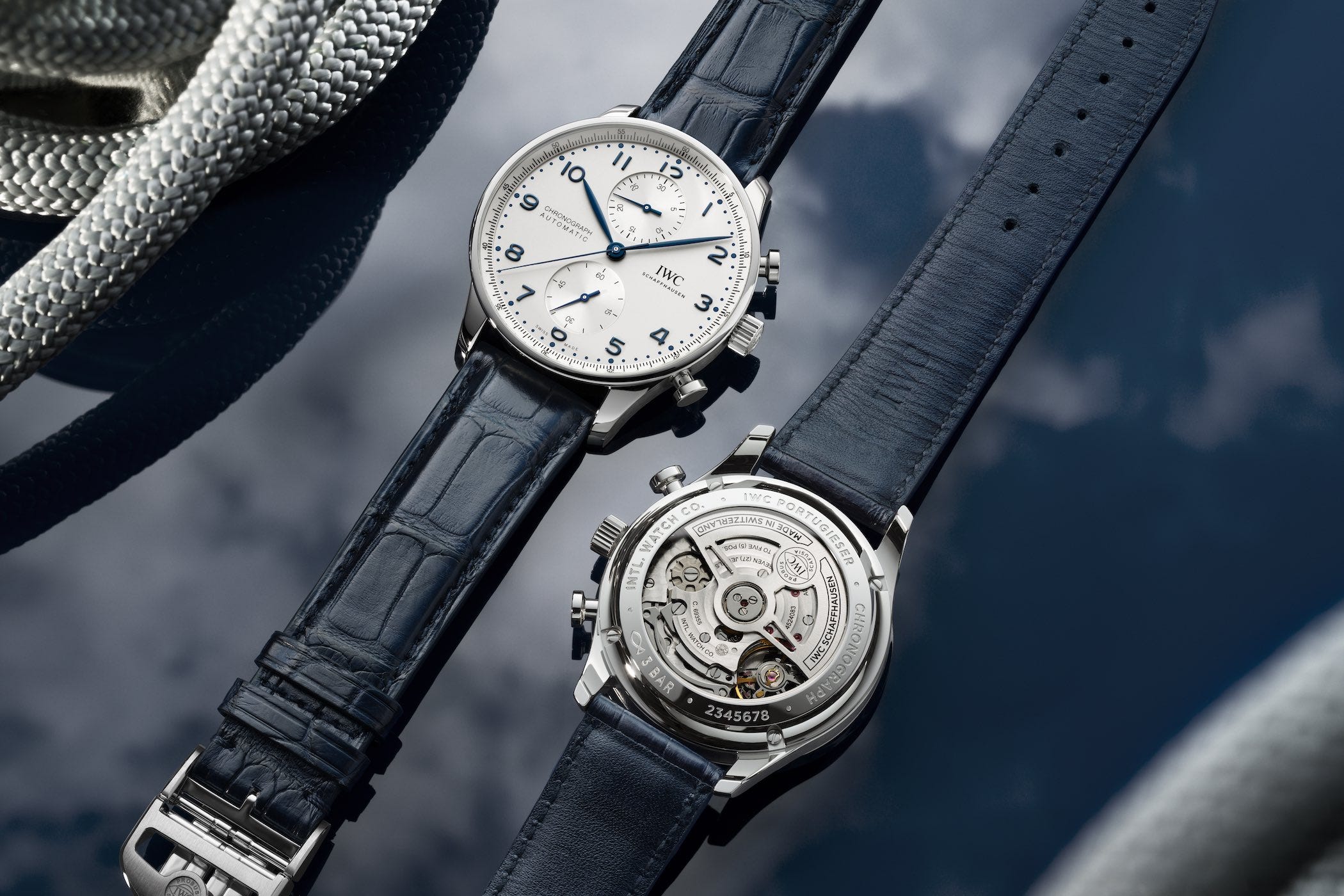
The Design Icon The Portugieser is one of the few watches that can claim to be a “pure” design. Originally commissioned in the 1930s by Portuguese businessmen who wanted marine chronometer accuracy on the wrist, it has remained virtually unchanged. Its large, legible dial, feuille (leaf) hands, and Arabic numerals make it the ultimate “gentleman’s sports watch.”
The Value Proposition While 2026 retail prices for the Portugieser Chronograph and Automatic have climbed significantly, the secondary market for 5-to-10-year-old models has remained surprisingly accessible. You are essentially getting a manufacture movement and one of the most recognizable silhouettes in watchmaking for a fraction of the cost of a new model.
The Verdict In a market that is increasingly volatile, the Portugieser is a “safe harbor.” It’s a watch that looks as good with a suit as it does with a sweater, and right now, it’s one of the best value-to-prestige ratios available to the savvy collector.