

Welcome back to Timepiece Digest,
This week, we’re looking at how Tudor is throwing down the gauntlet to its big brother, Rolex, with a new release that’s shaking up the entry-level tool watch segment. Then, we’ll take a trip to Russia for a scandal involving a very important man, a very expensive watch, and a very bad Photoshop job. Finally, we’ll dive into a watch that proves “Made in China” isn’t just about affordability anymore—it’s about audacious innovation.
Let’s dive in.
1. THE NEWS
The Tudor Ranger 36 “Arctic Dune”: Is Tudor Finally Making the Explorer We All Want?
For years, the 36mm Rolex Explorer has held a sacred spot in the hearts of collectors. It’s the quintessential “go anywhere, do anything” watch: rugged, understated, perfectly proportioned, and steeped in history. Its only real drawback? Availability, and the ever-escalating secondary market premium that makes it less of a tool watch and more of a trophy.
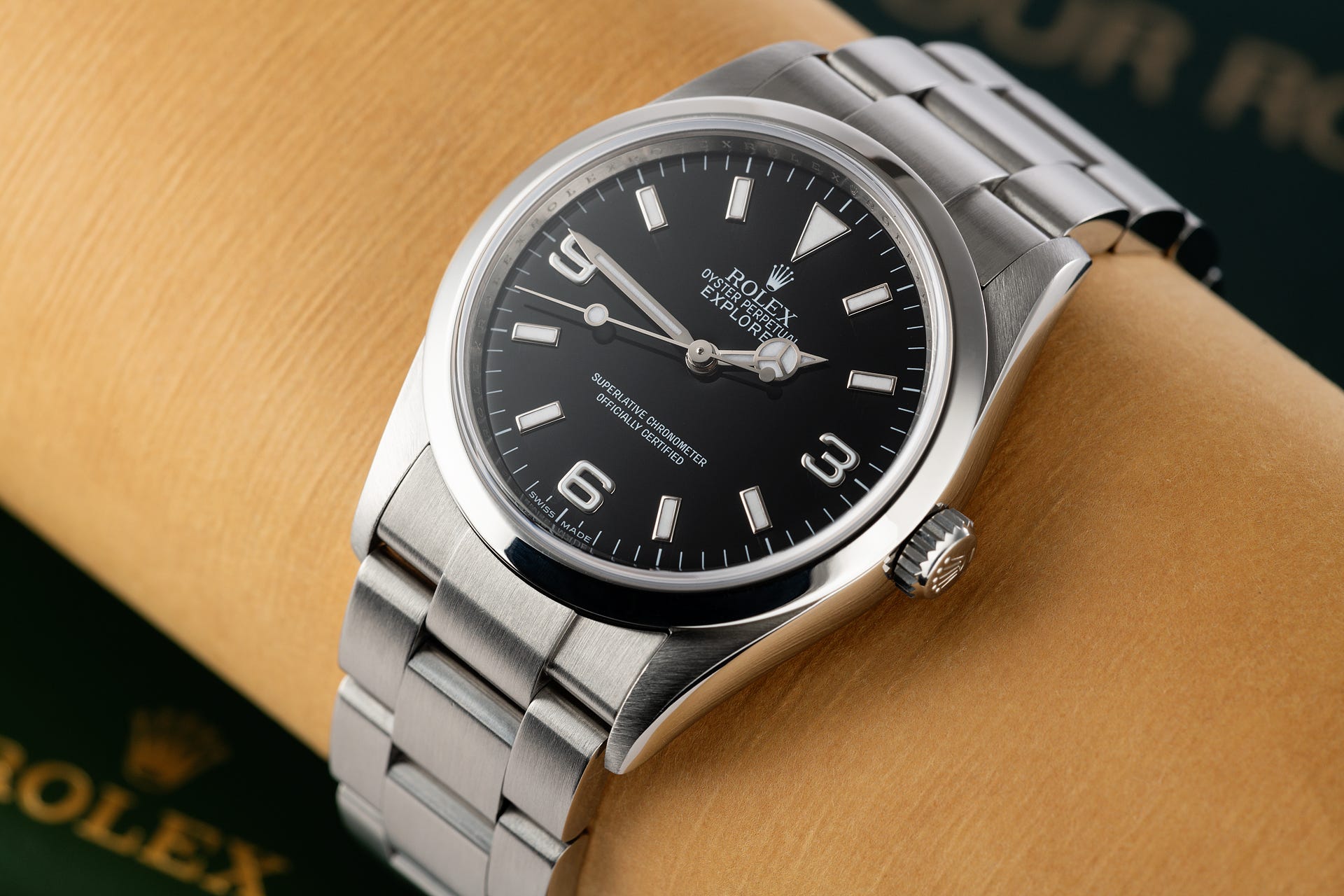
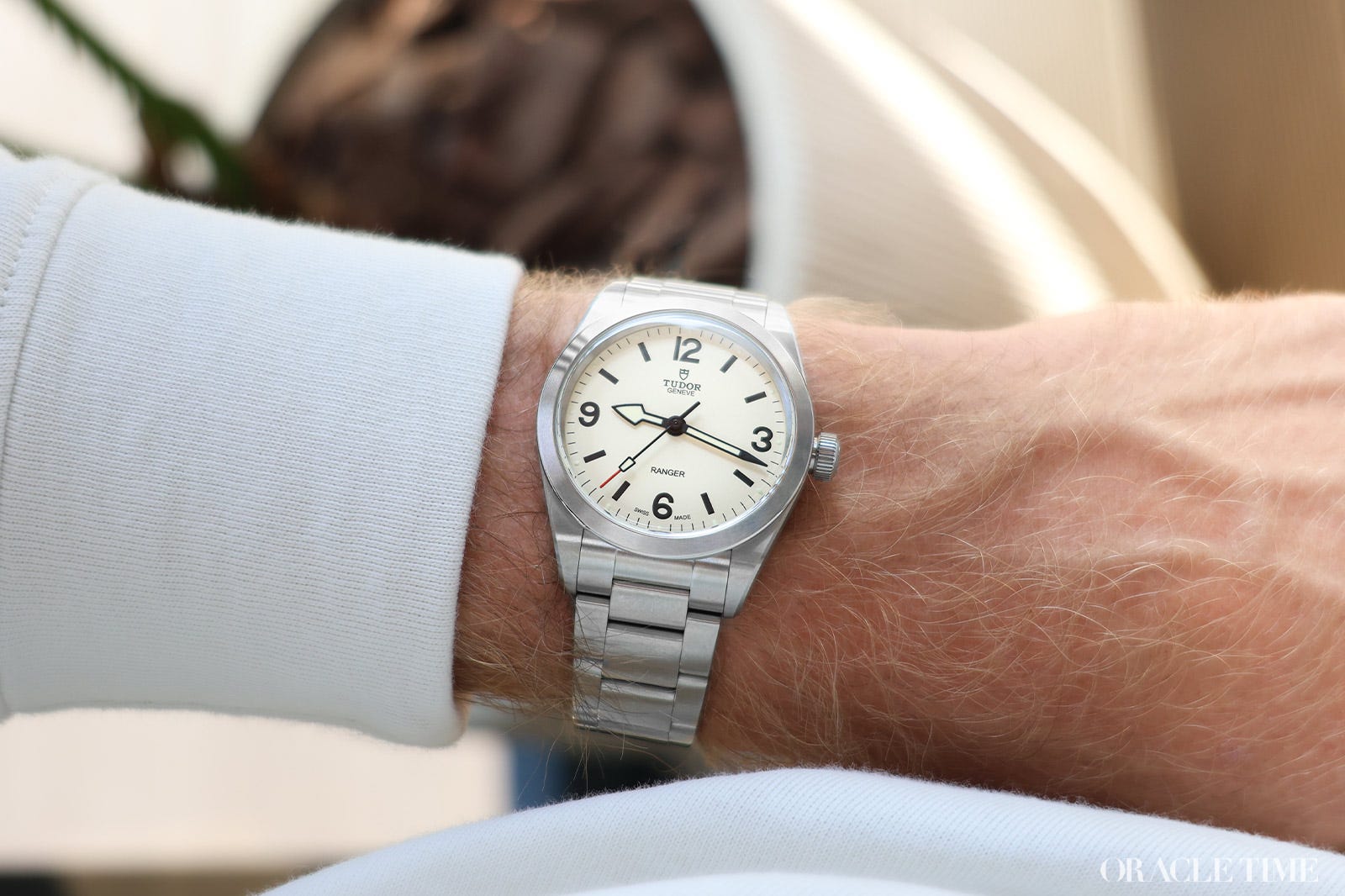
Enter Tudor, Rolex’s younger, often more experimental sibling. In a move that feels less like homage and more like a direct challenge, Tudor just dropped the Ranger 36 “Arctic Dune.”
The Backstory: A Legacy of Exploration The Ranger line itself is a nod to Tudor’s historical association with exploration, particularly the British North Greenland Expedition of the 1950s. While not a direct re-issue like some Black Bay models, the Ranger captures that spirit of legible utility and robust simplicity. The original Ranger was a simpler, less ornate alternative to its Rolex counterparts, and the new 36mm version returns to that ethos with a vengeance.
The “Arctic Dune” Difference At first glance, it might seem like just a smaller Ranger. But the “Arctic Dune” is more than that. The 36mm case diameter is a direct appeal to those who find modern sport watches too bulky. It’s also a subtle nod to the original 3-6-9 dial Explorers. But the standout feature is that dial: a textured, sandy-white finish that evokes vast, desolate landscapes—be they snowy tundras or sun-baked deserts. It’s legible, visually interesting, and utterly unique in Tudor’s current lineup.
Inside, you get the reliable MT5402 COSC-certified manufacture caliber, offering a weekend-proof 70-hour power reserve and a rock-solid reputation for accuracy and durability. All of this in a package that is remarkably slim (around 11.5mm) and comes in at a price point that makes the secondary market Explorer look, frankly, absurd.
The Verdict: An Explorer-Killer? For collectors who love the idea of the 36mm Explorer but balk at the price or the waitlist, the Ranger 36 “Arctic Dune” isn’t just an alternative; it’s a compelling argument that Tudor might now be offering the better value proposition. It’s a genuine tool watch with proper heritage, a fantastic movement, and a distinctive aesthetic that stands on its own. It’s available, it’s affordable, and it’s arguably the most exciting sub-$4k release of the year.
2. THE HISTORY STORY
The Invisible Breguet: How a $30,000 Watch Caused an International Photoshopping Scandal
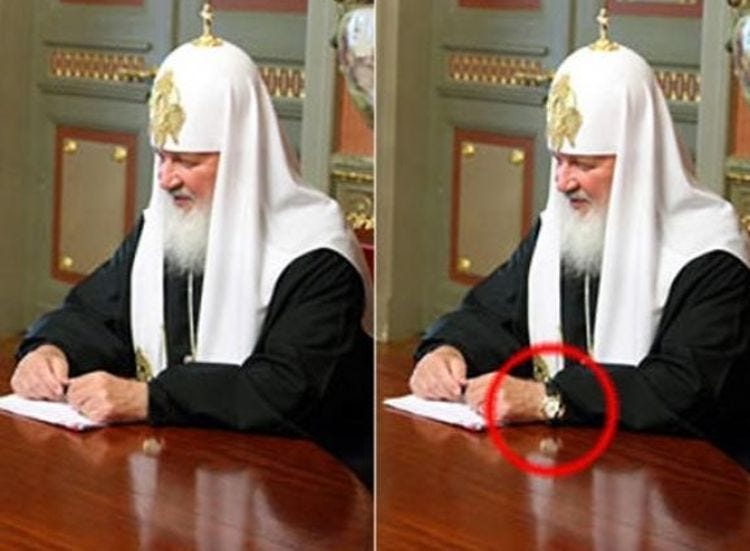
In the often-stoic world of religious leadership, luxury watches aren’t usually the center of attention. But in 2012, a rather egregious Photoshop blunder involving the head of the Russian Orthodox Church, Patriarch Kirill, turned a $30,000 Breguet into a global talking point and a masterclass in how not to hide your bling.
The Incident: A PR Faux Pas The story begins with a seemingly innocuous photograph released by the Russian Orthodox Church. The image showed Patriarch Kirill in a meeting with a high-ranking official. However, eagle-eyed internet sleuths (because the internet misses nothing) noticed something odd. While the Patriarch’s left wrist was conspicuously bare, a gleaming reflection of a watch was clearly visible on the highly polished surface of the table in front of him.
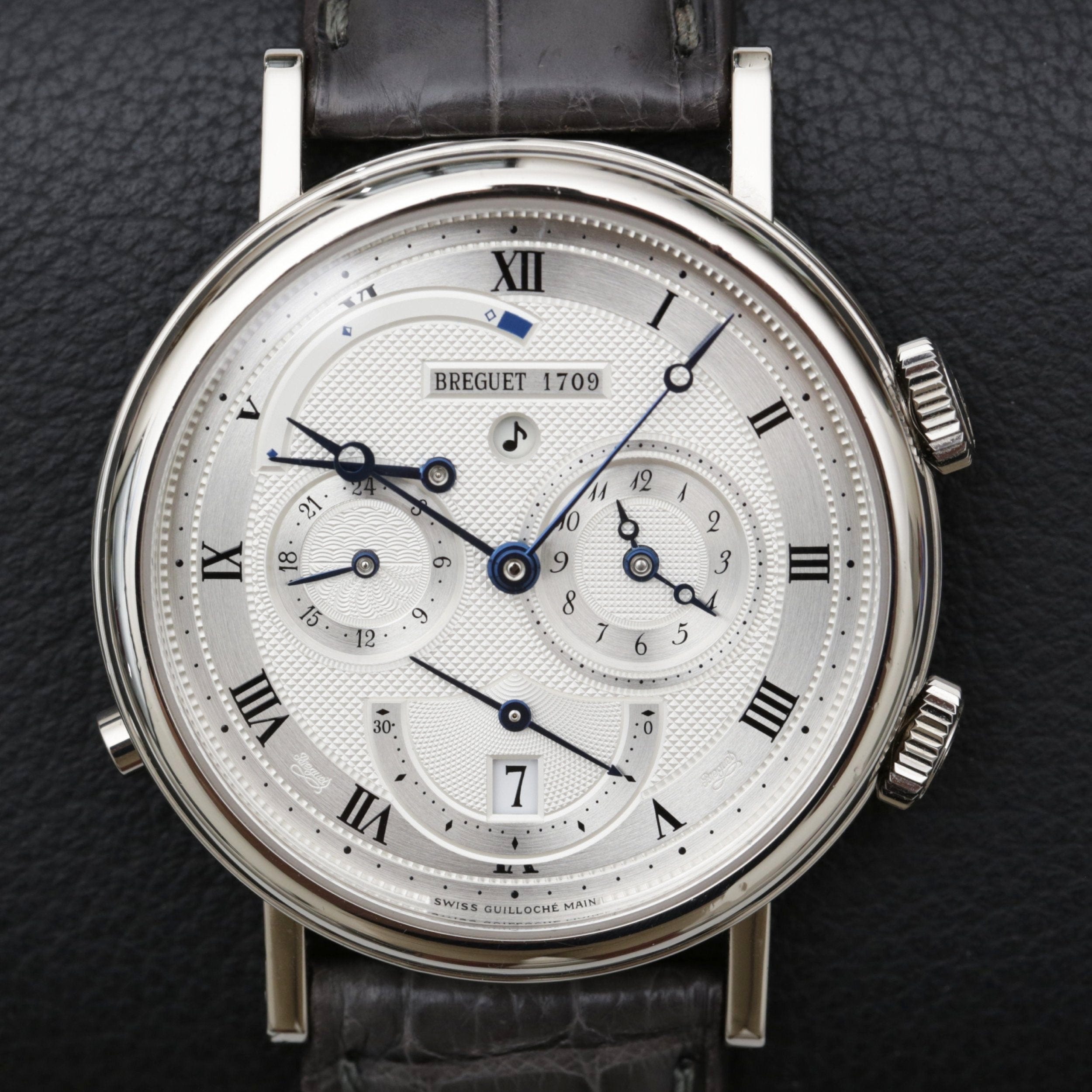
It was an undeniable phantom image—the ghostly impression of a Breguet Réveil du Tsar (Reference 5707), a rather elegant and expensive timepiece, perfectly reflecting where a wrist would normally be. The watch itself, with its distinctive fluted case, Roman numerals, and alarm function, was unmistakable.
The Unraveling: A Digital Deception The implication was clear: someone at the Church’s press office had attempted to digitally erase the watch, presumably to avoid accusations of ostentation for a religious leader. The irony was palpable. In their haste to remove the physical watch, they overlooked the laws of physics, failing to erase its polished reflection.
The ensuing media frenzy was swift and merciless. Jokes about “divine intervention” missing a spot, and memes of the “invisible watch” spread rapidly. The Church initially denied the manipulation, claiming the photos were authentic. However, when faced with overwhelming evidence, they eventually admitted to the “technical error” by an employee, stating it was done without the Patriarch’s knowledge or approval.
The Lesson: The Power of Detail Beyond the humor, the “Invisible Breguet” scandal became a fascinating case study in optics, public relations, and the modern digital age. It underscored that in a world where every detail is scrutinized, transparency is paramount. For watch enthusiasts, it was also a testament to the distinctive power of watch design—a Breguet is so recognizable that even its ghost can’t be hidden. It remains a legendary tale, proving that sometimes, what you try to hide only makes it stand out more.
3. WATCH OF THE WEEK
The Behrens Perigee: The “Chinese MB&F” That’s Out-Engineering the Swiss
Prepare to have your perceptions of “Made in China” completely shattered. For decades, Chinese watchmaking has been synonymous with mass-produced, affordable movements, or—less flatteringly—with homages and knock-offs. But a new wave of independent Chinese brands is emerging, and Behrens is leading the charge, particularly with their audacious Perigee.
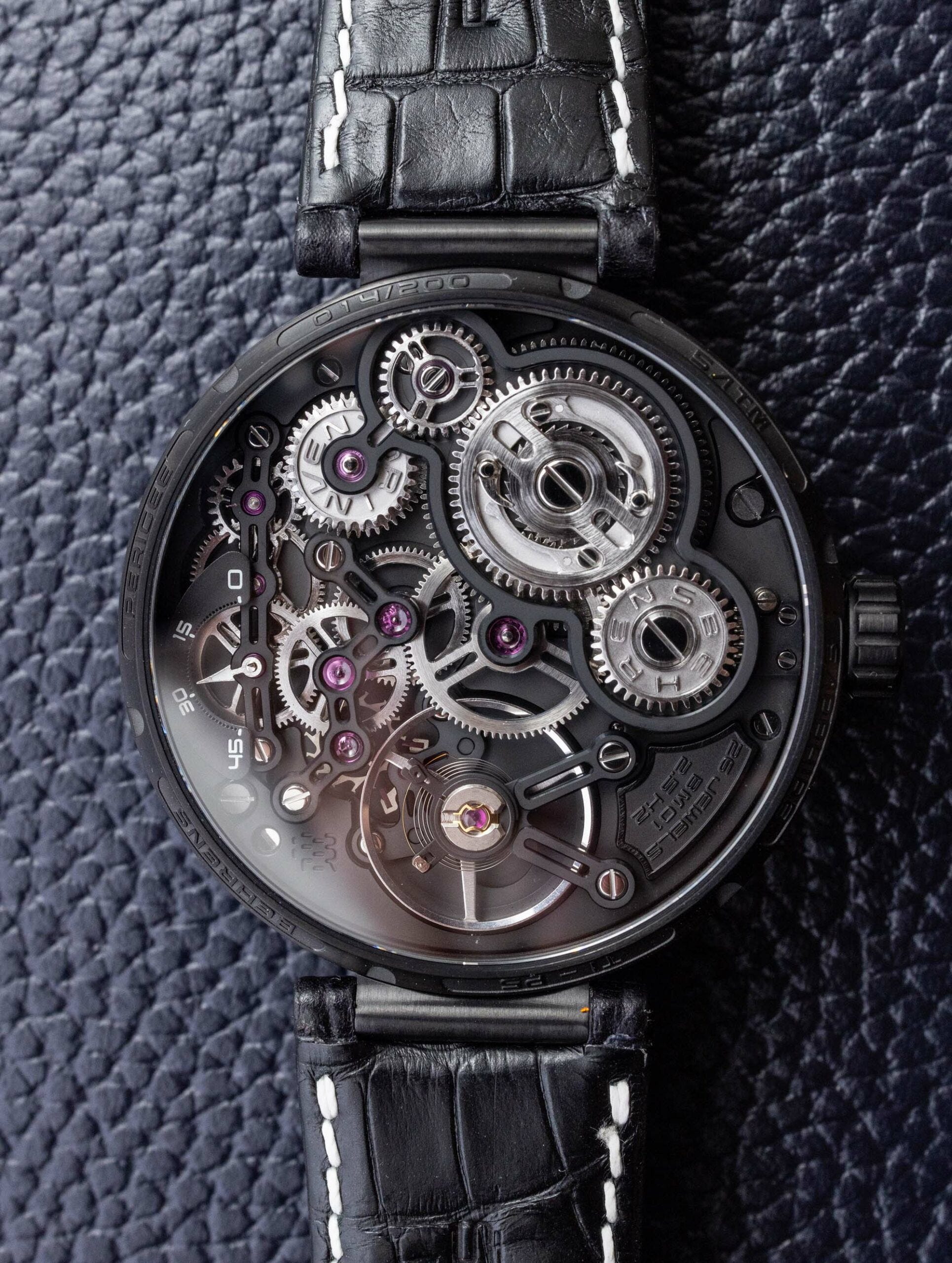
A New Horological Frontier The Behrens Perigee is not just a watch; it’s a miniature, kinetic sculpture for the wrist. If you’ve ever admired the wild, space-age complications of brands like MB&F or Urwerk but found their six-figure price tags prohibitive, the Perigee offers a staggering amount of similar “wow factor” for a fraction of the cost—around $11,000.
The Design & Mechanism The Perigee’s dial is an open-worked cosmic dance. The time is displayed not by traditional hands, but by two rotating spheres. A smaller sphere indicates the hours, while a larger, half-globe sphere represents the minutes, rotating on an orbital track. But the true star is the three-dimensional mechanical moon phase indicator. It’s a beautifully rendered, rotating sphere that accurately tracks the lunar cycle, creating a captivating visual spectacle.
Powering this spectacle is a modified Miyota 9-series automatic movement—a reliable, workhorse base that Behrens then heavily re-engineers with their proprietary modules and gear trains to create these unique displays. The meticulous finishing, often with hand-beveled edges and intricate skeletonization, elevates it far beyond what you’d expect from its price point.
The “Chinese MB&F” Comparison This is where the Perigee truly shines. It embraces the same “out-of-the-box” design philosophy as independent darlings like MB&F, offering genuinely innovative, three-dimensional time displays that push the boundaries of traditional horology. The difference? Behrens is demonstrating that this level of bespoke engineering and artistic vision can be achieved outside of Switzerland, and crucially, without requiring a trust fund.
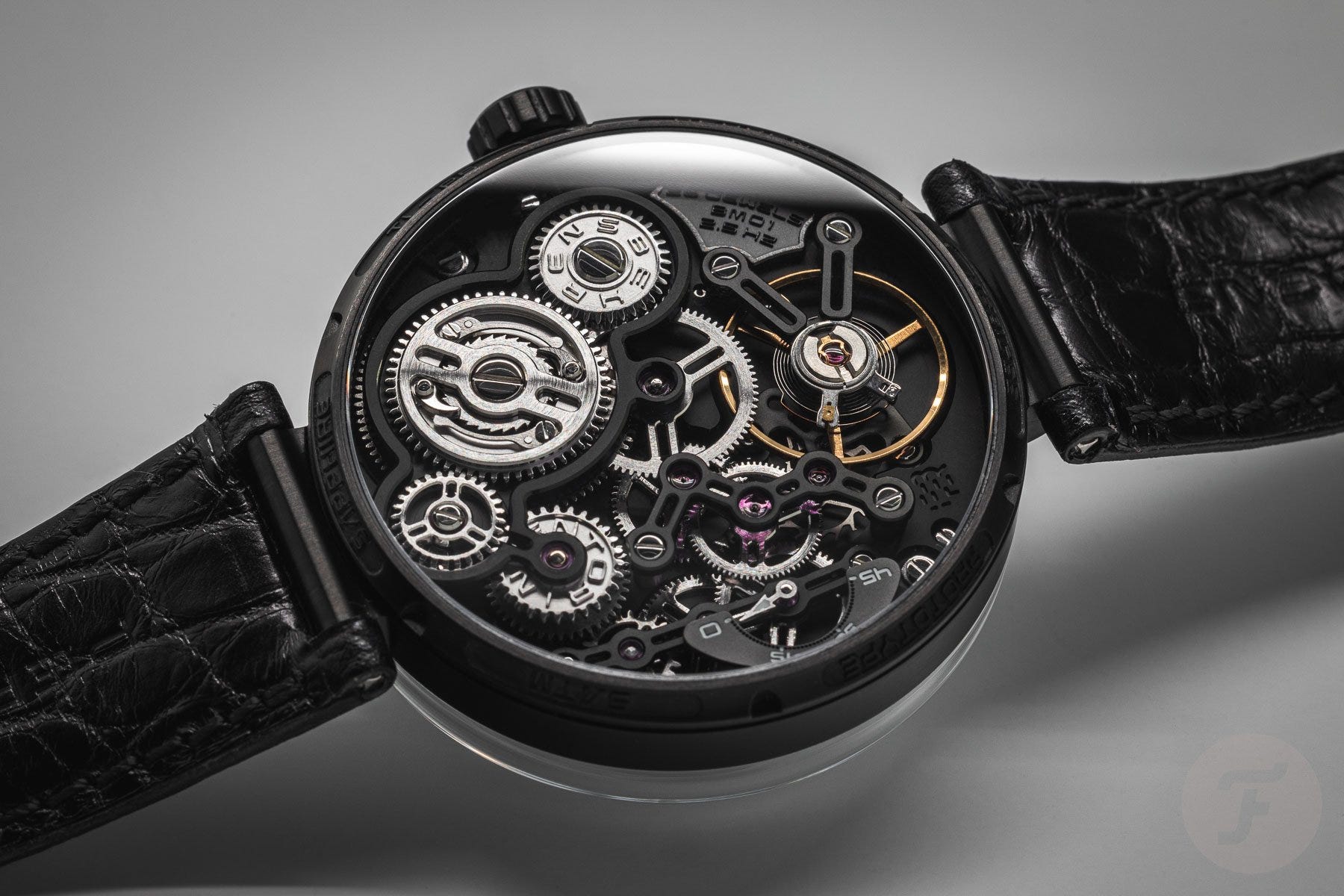
The Verdict: A Future Collector’s Item The Behrens Perigee is more than just an interesting watch; it’s a statement. It represents a paradigm shift in global watchmaking, challenging the long-held notion that true horological innovation and luxury must exclusively come from the Alps. For collectors seeking something truly unique, mechanically fascinating, and a conversation starter that won’t require selling a kidney, the Perigee is a powerful contender. It’s proof that the future of independent watchmaking is not just Swiss, but increasingly global.